Licensing and opening hours in England and Wales: the layers behind the licence on your wall
A premises licence, a personal licence and a Temporary Event Notice each do a different job, and your council sets much of the rest. A plain guide to the Licensing Act 2003, its limits and the reforms since 2025. Rules vary by council, so check yours.
By Marta Ruiz
Product design
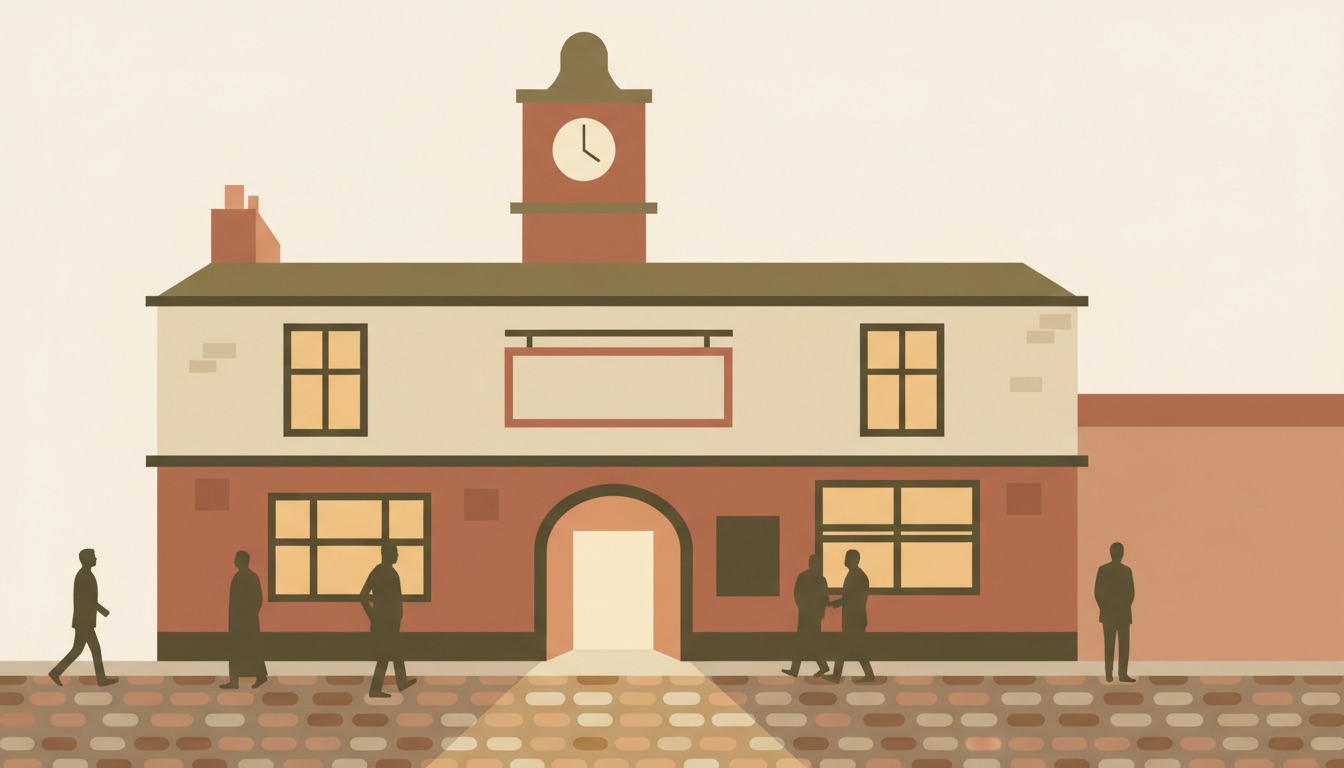
A licence on the wall looks like a single object. In practice it is the visible end of several layers: national law, your council’s policy, conditions written for your premises, and the individual people named on the paperwork. Understanding which layer decides what is most of the work. This piece covers England and Wales, where the Licensing Act 2003 applies (the GOV.UK pages cited here are headed England and Wales, so owners elsewhere in the UK should check their own regime), and it is a map, not legal advice. Councils differ, so confirm the detail with your own licensing authority.
Four objectives behind every decision
Councils must carry out their licensing functions with a view to promoting four licensing objectives: the prevention of crime and disorder, public safety, the prevention of public nuisance, and the protection of children from harm. Conditions on your licence should trace back to one of them. If a condition does not, that is a fair question to ask.
The premises licence
You need a premises licence to sell alcohol or offer regulated entertainment from a venue. Licensable activities include selling alcohol, serving hot food and drink between 11pm and 5am, and entertainment such as live or recorded music, dance and showing films. You apply to your council with a plan of the premises and an operating schedule, including the hours alcohol will be sold, and you must display the application notice for 28 days.
Fees run from £100 to £1,905 depending on the fee band, which comes from rateable value. Most premises licences last indefinitely but carry an annual fee. Carrying out licensable activities without one can mean a fine, up to six months in prison, or both. Failing to produce the licence on request is a fine of up to £1,000.
The personal licence and the DPS
A premises licence needs a designated premises supervisor (DPS), and a DPS must hold a personal licence. More broadly, every sale of alcohol must be authorised by a personal licence holder, who must be 18 or over and hold a licensing qualification such as the Award for Personal Licence Holders. So the person is licensed as well as the place, and who holds each role matters when staff change.
Temporary Event Notices
A Temporary Event Notice (TEN) covers a licensable activity on unlicensed premises, or an activity not on your existing licence, such as a wedding reception in a space your licence does not cover. The limits as GOV.UK lists them:
- Fewer than 500 people at any time, staff included, and no longer than 168 hours.
- Up to 5 TENs a year for an individual, or 50 if you hold a personal licence.
- A single premises can have up to 15 TENs in a year, totalling no more than 21 days.
- Apply at least 10 clear working days before the event, with a £21 fee. A “late TEN” can go in as little as 5 clear working days ahead, with a cap of 2 a year without a personal licence and 10 with one.
The council can refuse only if the police or environmental health object, and they have three working days to do so.
Levies, restrictions and what is only a power
Two tools sit in the background. The late night levy lets a licensing authority charge licence holders who sell alcohol between midnight and 6am, as a contribution towards policing the night-time economy. It is the council’s choice, it does not apply to TENs, and the council sets the hours within that window.
Early morning restriction orders can restrict alcohol sales between midnight and 6am in part or all of an area. The Home Office described the EMRO in 2012 as an uncommenced power, and the 2025 taskforce report called the regulations outdated and never used. The existence of a power is not the same as its use in your area.
What has changed since 2025
Several things are on the record:
- A joint industry and government Licensing Taskforce ran from 9 April to 16 May 2025. It recommended, among other things, more TENs for premises that already hold a licence, time limits on blanket policies such as core hours, and scrapping EMROs. The government’s response accepted most priority recommendations “subject to further work”, noting that anything needing legislation will happen only when Parliamentary time allows. Those are recommendations, not law, so the TEN limits above are the ones to plan on unless GOV.UK says otherwise.
- A Home Office and Department for Business and Trade call for evidence opened on 7 October 2025 and has since closed.
- On 26 November 2025 the government published a National Licensing Policy Framework for on-trade premises. It says local “framework hours” are reference points, not blanket conditions, and that guideline hours alone are not grounds to refuse a licence.
- The Licensing Hours Extensions Act 2026, passed on 12 February 2026, lets licensing hours orders be made by negative resolution statutory instrument, which changes the parliamentary procedure for making such orders. In June 2026 the government announced later hours for England and Scotland World Cup knockout matches.
How to read your own position
Four questions are worth asking your council. What are your licensed hours, and do they match how you trade? Which conditions are on your licence, and which objective does each serve? Does your council publish framework hours or a licensing policy that you should know about? And if you plan events outside your licence, which TENs have you already used this year? A clear answer to each is a good place to start.
Sources
- Licensing Act 2003, section 4
- GOV.UK, Premises licence
- GOV.UK, Personal licence to sell alcohol
- GOV.UK, Temporary Events Notice
- GOV.UK, Amended guidance on the late night levy
- GOV.UK, Licensing taskforce report and government response
- GOV.UK, National Licensing Policy Framework
- Licensing Hours Extensions Act 2026